
'%3e%3cpath%20d='M15.1003%2043.5001C33.2091%2043.5001%2043.1166%2028.4935%2043.1166%2015.4838C43.1166%2015.062%2043.1072%2014.6307%2043.0884%2014.2088C45.0157%2012.815%2046.679%2011.0886%2048%209.11072C46.205%209.90932%2044.2993%2010.4309%2042.3478%2010.6576C44.4026%209.42594%2045.9411%207.49107%2046.6781%205.21166C44.7451%206.35724%2042.6312%207.16535%2040.4269%207.60134C38.9417%206.02324%2036.978%204.97835%2034.8394%204.62822C32.7008%204.27809%2030.5064%204.64222%2028.5955%205.66431C26.6846%206.68641%2025.1636%208.30953%2024.2677%2010.2827C23.3718%2012.256%2023.1509%2014.4694%2023.6391%2016.5807C19.725%2016.3843%2015.8959%2015.3675%2012.4%2013.5963C8.90405%2011.8251%205.81939%209.339%203.34594%206.29916C2.0888%208.46661%201.70411%2011.0314%202.27006%2013.4723C2.83601%2015.9132%204.31013%2018.047%206.39281%2019.4401C4.82926%2019.3905%203.29995%2018.9695%201.93125%2018.212V18.3338C1.92985%2020.6084%202.7162%2022.8133%204.15662%2024.5737C5.59704%2026.334%207.60265%2027.5412%209.8325%2027.9901C8.38411%2028.3864%206.86396%2028.4441%205.38969%2028.1588C6.01891%2030.115%207.24315%2031.8259%208.89154%2033.0528C10.5399%2034.2797%2012.5302%2034.9613%2014.5847%2035.0026C11.0968%2037.7423%206.78835%2039.2284%202.35313%2039.2213C1.56657%2039.2201%200.780798%2039.1719%200%2039.077C4.50571%2041.9676%209.74706%2043.5029%2015.1003%2043.5001Z'%20fill='%23F7F7F7'/%3e%3c/g%3e%3cdefs%3e%3cclipPath%20id='clip0'%3e%3crect%20width='48'%20height='48'%20fill='white'/%3e%3c/clipPath%3e%3c/defs%3e%3c/svg%3e)


The fashion industry is undergoing a quiet revolution. While fast fashion still dominates by volume, a growing segment of consumers is moving in the opposite direction — toward personalised, made-to-measure clothing that fits their body, reflects their style, and is produced only when ordered. According to McKinsey's State of Fashion report, personalisation is one of the top three themes shaping the industry, with 71% of consumers expecting companies to deliver personalised interactions.
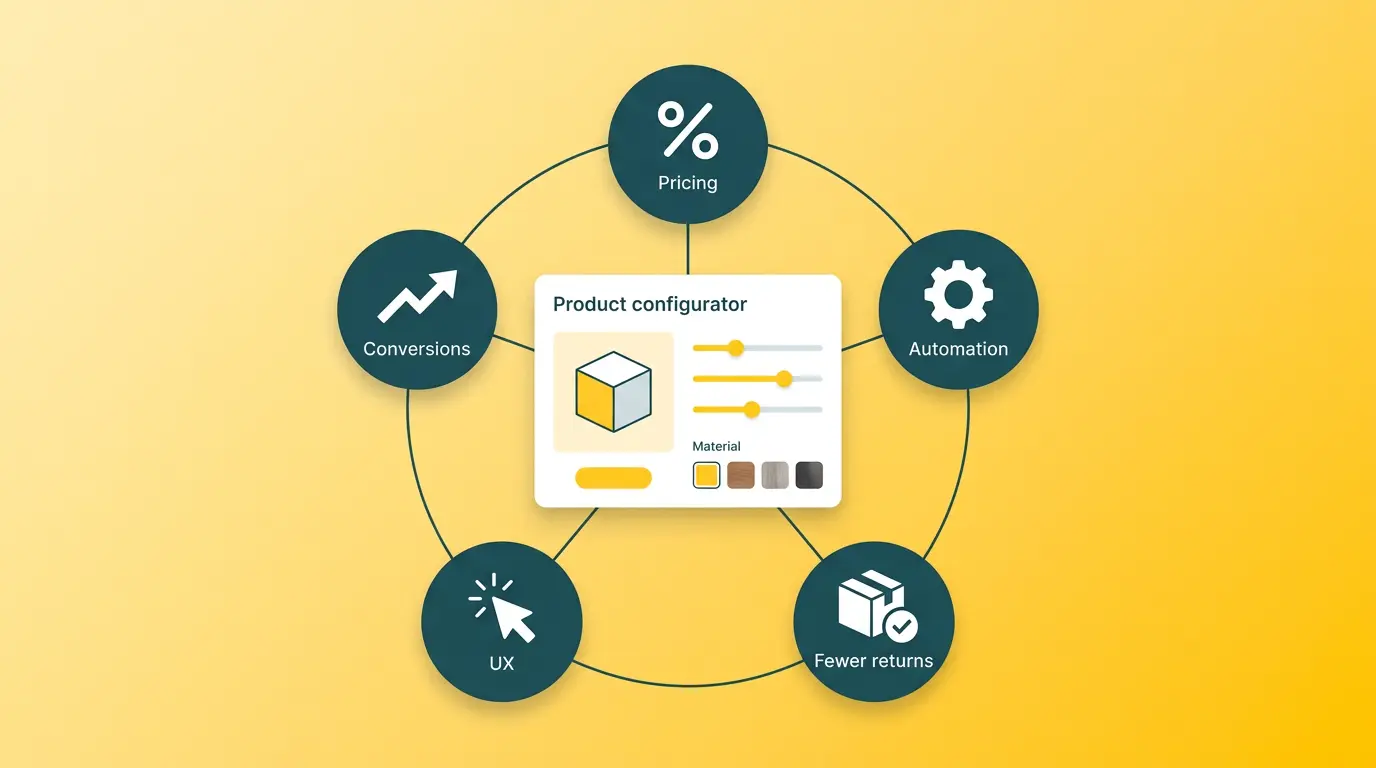
Product configurators make this possible at scale. They let customers design their own garments — choosing fabrics, specifying measurements, adding monograms, and previewing the finished product in real time — all from their browser. For fashion brands, configurators bridge the gap between the bespoke tailoring experience and the efficiency of online retail. This guide explores how configurators work in fashion and apparel, what they require technically, and the business impact they deliver.
The Made-to-Measure Market
Made-to-measure clothing is no longer a niche luxury. Statista estimates the global custom clothing market at $57 billion in 2025, growing at over 9% annually. Brands like Indochino, Proper Cloth, and MTailor have proven that consumers will buy custom clothing online if the experience is seamless. The common thread among these success stories: an interactive configurator that makes customisation intuitive rather than intimidating.
The opportunity extends beyond suits and dress shirts. Athleisure brands offer custom-sized leggings and sports bras. Workwear companies configure safety garments to exact specifications. Bridal boutiques let customers design custom wedding dresses with fabric, neckline, and train options. Wherever fit and personalisation matter, configurators add value.
What Fashion Configurators Handle
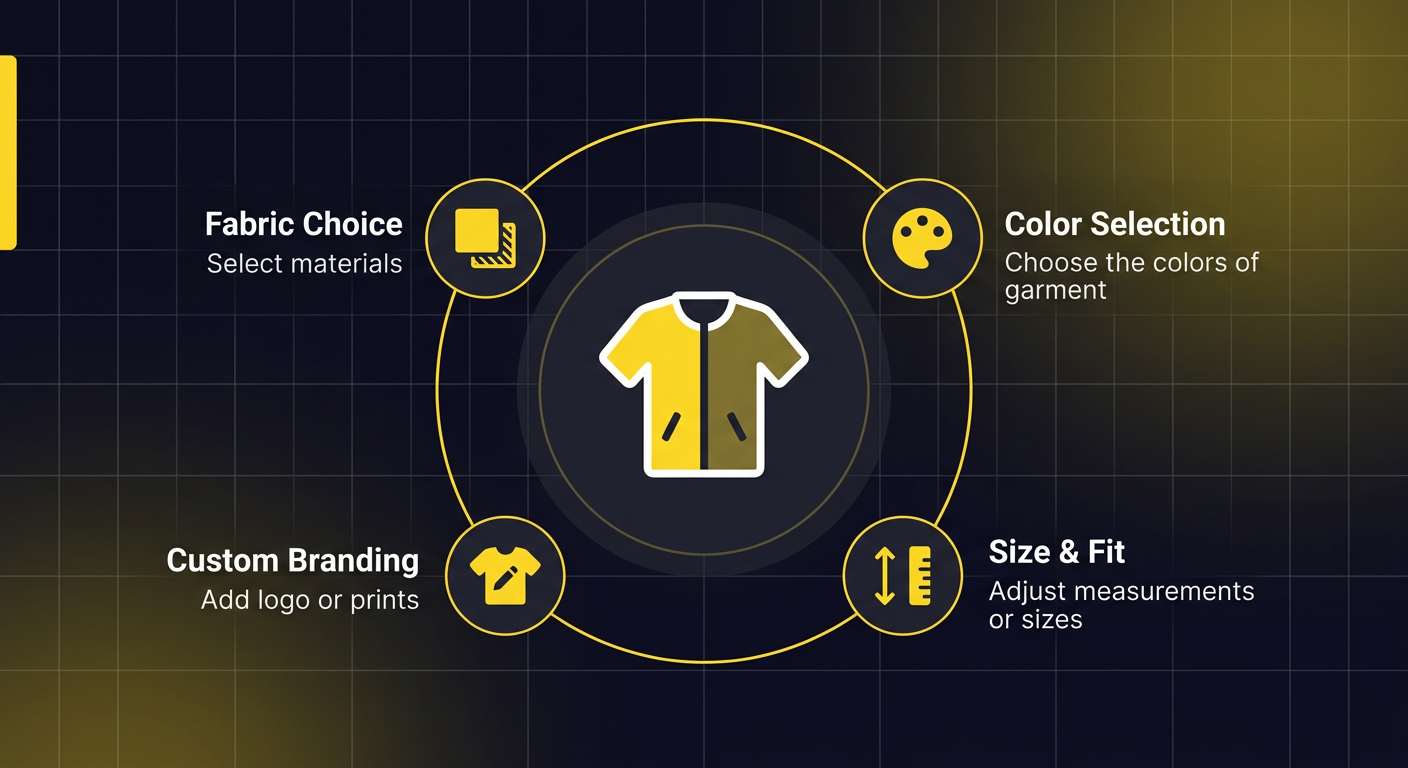
Fashion configurators manage a combination of visual and dimensional customisation:
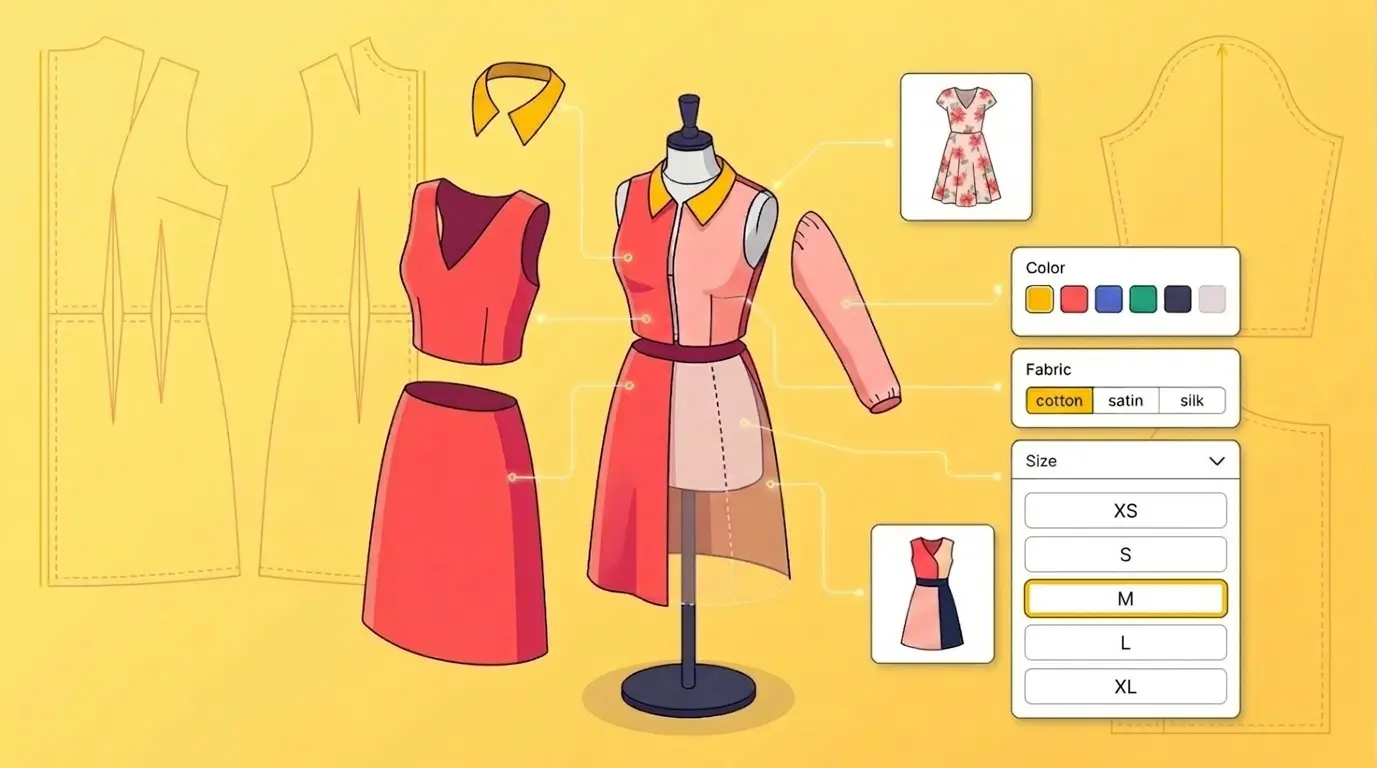
- Fabric selection: Customers browse fabric options with accurate colour, texture, and drape rendering. High-quality configurators simulate how fabric behaves — how it folds, how light interacts with the weave, how the pattern scales across different garment sizes.
- Style options: Collar styles, cuff designs, pocket placements, button choices, lining materials, and closure types. Each option updates the 3D garment model in real time.
- Sizing and fit: Customers input body measurements or select from standardised size profiles. Advanced configurators use measurement guides with visual overlays to reduce sizing errors.
- Personalisation: Monogramming, embroidery, custom labels, and colour blocking allow customers to make the garment uniquely theirs.
- Live pricing: Fabric grade, customisation complexity, and order quantity all affect price. The configurator calculates this in real time so customers can make trade-offs between premium choices and budget.
Solving Fashion's Biggest Problem: Returns
Fashion has the highest return rate in ecommerce. According to Statista, the global cost of ecommerce returns reached $816 billion in 2024, with clothing accounting for the largest share. The primary reasons: "doesn't fit" and "doesn't look like the picture." These are precisely the problems configurators solve.
When customers specify their exact measurements and see a photorealistic preview of the garment in their chosen fabric, fit surprises and colour mismatches plummet. Reducing returns on personalised products is one of the strongest business cases for configurators. Brands using interactive 3D visualisation report return rate reductions of 35–50%, which for a fashion business with $10 million in revenue can mean $500,000+ in recovered margin annually.
The role of product visualisation in building trust is particularly important in fashion. Customers need to believe that the digital preview accurately represents the physical garment. Photorealistic fabric rendering, accurate colour calibration, and realistic drape simulation are not just nice-to-have features — they are the foundation of customer confidence.
From Configuration to Cut-and-Sew
A fashion configurator that produces a beautiful preview but requires manual pattern-making downstream misses half the value. The best configurators generate production-ready output: graded patterns adjusted to the customer's measurements, cutting layouts optimised for fabric utilisation, stitch specifications and construction notes, and materials lists (fabric yardage, thread, buttons, linings, interfacing).
This production data flows directly to the cutting room and sewing line, eliminating the pattern-maker bottleneck that traditionally limits made-to-measure throughput. For brands scaling from dozens to hundreds of custom orders per day, this automation is the difference between sustainable growth and operational collapse.
Sustainability: Made-to-Order Fashion
The fashion industry produces an estimated 92 million tonnes of textile waste annually, much of it from overproduction. Made-to-order production — where garments are manufactured only after a customer configures and orders them — eliminates overproduction entirely. No unsold inventory, no end-of-season markdowns, no landfill waste from excess stock.
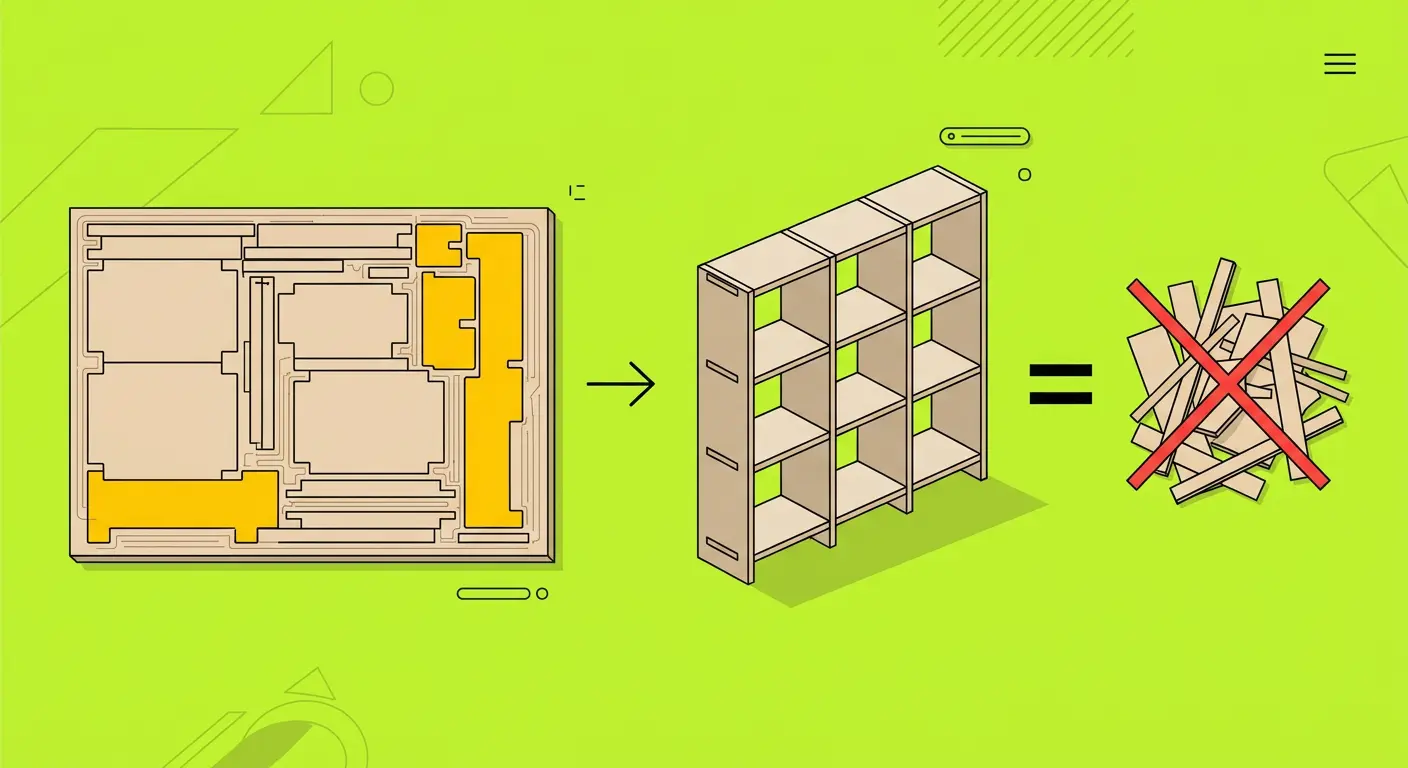
Configurators reduce manufacturing waste by ensuring every garment produced has a buyer. Additionally, optimised cutting layouts from configurator output reduce fabric waste per garment by 15–25% compared to manual cutting. For brands positioning themselves as sustainable, a made-to-order configurator is not just a sales tool — it is a core part of the sustainability story.
The Psychology of Fashion Customisation
Fashion is deeply personal. The psychology of customisation shows that customers who participate in designing a product develop stronger emotional attachment and perceive higher value. In fashion, this effect is amplified. A shirt you designed — choosing the fabric, the collar, the monogram — is not just a purchase. It is a creative act. Brands that harness this emotional connection see higher customer lifetime value, stronger brand loyalty, and willingness to pay premium prices.
How Configurator.tech Serves Fashion Brands
Configurator.tech provides the parametric 3D engine that fashion configurators require. Our platform supports photorealistic fabric rendering, dimensional customisation for sizing, real-time pricing, and production-ready output. The prebuilt configurator templates include apparel-relevant starting points that you can customise with your brand's fabric library, style options, and pricing rules.
Ready to offer custom clothing at scale? Contact Configurator.tech to discuss how a fashion configurator can transform your brand's online experience.